Starlink for boats: a real-world setup guide
Antenna choice, mounting, power, and which plan actually makes sense at sea.
By Boatfront editorial
Why this is worth doing properly
For years, decent boat internet meant a 4G antenna, a SIM swap on every border, and accepting that your video calls happened on land. Starlink replaced that overnight. A reasonable Starlink install gives you 100+ Mbps download in most cruising grounds, with sub-50 ms latency, even at anchor in places that have never had cellular coverage.
The catch is that Starlink lets you make a lot of decisions, and the wrong ones get expensive or annoying. This guide is the version of the conversation we wish we'd had before the first install.
Pick the antenna for the boat, not the brochure
There are three antennas worth considering for a typical cruising yacht:
- Starlink Mini. ~30 cm square, ~1 kg, around 30 W draw. Built-in router, USB-C power, fits in a backpack. The right answer for boats under ~45 ft and for anyone who wants to take the antenna ashore for tenders, expedition camps, or use at home in the off-season.
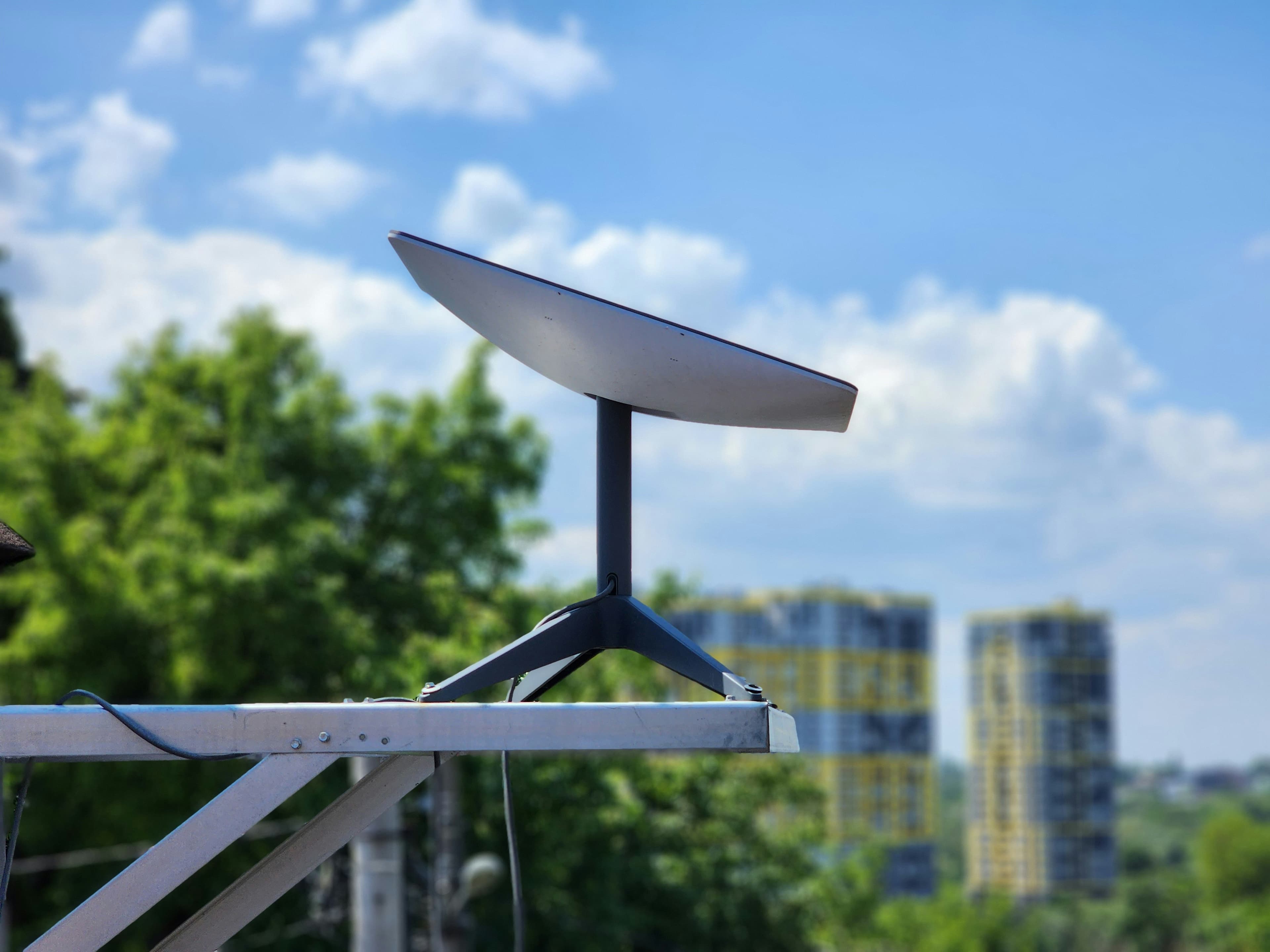
- Standard (V4 / "Standard Actuated"). ~60 × 38 cm, ~3 kg. About 75 W typical draw. Better signal in marginal sky views (cliffs, marinas with surrounding masts). The default for most monohulls 45–60 ft.
- Flat High Performance ("Mast Mount"). ~58 cm round, fixed-mount, ~150 W draw. Designed to be mounted to a mast and never moved. Useful on commercial vessels and hard-roof catamarans; usually overkill on a cruising yacht.
Avoid the original "Standard with Actuators" if you're buying new — the V4 supersedes it and uses less power.
Plan choice — Roam vs. Mobile Priority
Two relevant plans for cruising:
- Roam (~$50–80/mo depending on region). Unlimited data, best-effort priority. Fine for email, video, streaming, weather routing. Service is "best-effort" — degrades when terrestrial Starlink users are busy in your area.
- Mobile Priority (~$250+/mo, sold per GB). Higher priority, ocean coverage. Required if you'll cross Atlantic / Pacific or operate consistently offshore.
Roam is the right answer for 90% of coastal/island cruising. Mobile Priority is for ocean passage-makers; you can usually pause-and-resume month to month.
Mounting it — the unglamorous bit
Starlink antennas need a clear view of the sky from horizon to ~70° up, all around. That's incompatible with the typical place sailors want to put electronics. A few rules:
- Mast top is wrong unless you accept regular wiring fights and can power it without huge cable runs. Voltage drop on a 20 m run sized for ~80 W is non-trivial.
- Stern arch / radar arch is right. You get a near-clear view, sane wiring runs, and a solid mounting platform.
- Pushpit rail with a removable mount works for the Mini; gives you the option to take it ashore.
Pay attention to obstructions: solar panels, the boom, davits with a tender hung off them. The Starlink app has an obstruction-check mode that lets you build a 3D map of what's blocking sky from your installed position. Use it.
Power — sized so it works at anchor
A Standard antenna at ~75 W average is ~1.8 kWh/day if you leave it on continuously. That's manageable on a 400 Ah lithium bank with decent solar; it's punitive on a 200 Ah AGM bank without solar. Two practical patterns:
- Switch via 12V remote. Wire the dishy through a circuit breaker on your DC panel. Turn it on when you want it; off when you don't.
- DC-DC for V4. Starlink sells a 12V kit; a generic 12V-to-PoE injector also works. Avoid running an inverter just for the antenna unless it's already on.
A small router (Ubiquiti UDM, GL.iNet, MikroTik) inside the yacht with the Starlink in bridge mode lets you VPN, segregate guest networks, and stay connected even when the antenna is offline (cached configs, AP mode for laptops).
What to expect, in practice
- Speeds: 100–250 Mbps down, 10–25 Mbps up, in normal conditions. Drops below 50 Mbps in busy marinas.
- Latency: 20–50 ms to most servers. Comfortable for video calls.
- Reliability: Excellent stationary; decent underway under 15 knots; expect occasional drops in heavy heel or heavy weather.
- Roaming abroad: Generally seamless; verify Roam plan availability for the country you're heading to before you cross the border.
A short shopping list (typical 12 m monohull, coastal cruising)
- Starlink Mini (or Standard V4 if you want bigger margins)
- 12V-to-USB-C 100W cable (or a DC-DC kit with the Standard)
- Stern-rail mount or radar-arch bracket
- Small router with VPN support (GL.iNet Slate AX is a popular pick)
- A short ethernet run from antenna to router to keep PoE losses sane
That's the lot. Get it done in a yard day, not over a season of weekends.
Was this article helpful?